How Do AI Note Takers Work? A Plain Guide
How do AI note takers work? A plain guide to what an AI note taker does, what a meeting bot is, and when you need an AI Employee that takes part instead.
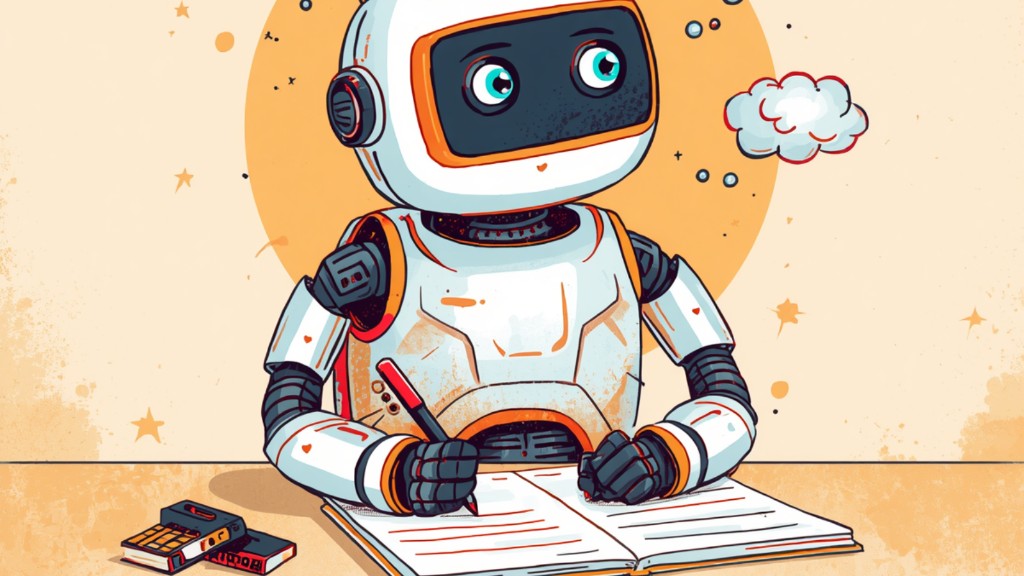
AI note takers are everywhere now. You see them join calls with names like "Notes" or a company logo. But what do they actually do, and when do you need more than notes?
This guide explains how AI note takers work, what a meeting bot is, and where an AI Employee fits.
What is an AI note taker?
An AI note taker is software that listens to your meeting and writes it down for you. After the call, it sends you a transcript, a summary and a list of next steps.
Most AI note takers work with Zoom, Google Meet and Microsoft Teams.
How do AI note takers work?
- It joins the call. Most note takers join as an extra participant, called a meeting bot. Some record from your computer instead.
- It records the audio. The bot listens to everyone on the call.
- It turns speech into text. Speech recognition writes down who said what.
- It writes the notes. An AI model reads the transcript and pulls out the summary, decisions and action items.
- It sends the notes. You get them by email or in the app, and many tools copy them into your CRM.
What is an AI meeting bot?
An AI meeting bot is the part you see on the call. It joins like a person, with a name in the participant list, so it can hear the meeting.
A note taker's bot is there to listen. It stays quiet and records. Some newer tools can also answer a question if someone asks them during the call.
What AI note takers are good at
- A full record of internal meetings
- Summaries you can read in two minutes
- Action items, so nothing gets lost
- Searching old calls for what someone said
Where note takers stop
A note taker is built to record. It does not run the call for you.
It won't ask a new lead the right questions. It won't walk a new client through onboarding. It won't answer your business phone at night. For those jobs, you still need someone to speak.
AI note taker vs AI Employee
| Feature | AI note taker | AI Employee |
|---|---|---|
| Built for | Notes from meetings | Running calls for you |
| Joins Zoom calls | Yes | Yes |
| Keeps a transcript and summary | Yes | Yes |
| Follows your call script and questions | No | Yes |
| Answers your business phone line | No | Yes |
| Books the next meeting on the call | No | Yes |
An AI Employee does what a note taker does, and it also takes part. It joins the call as a named participant, asks the questions you set, answers from what you taught it, and books the next step.
Are AI note takers worth it?
Yes, if you need a record of meetings you attend yourself. They save time and make sure nothing is lost.
If the call needs someone to speak for you, a note taker is not enough. That is when an AI Employee is worth it. Many teams use both: a note taker for internal meetings, and an AI Employee for calls with leads, clients and applicants.
Tell people when AI is on the call
Whichever tool you use, tell people it is there. Read our guide to AI meeting disclosure.
Compare the note takers you know
- DelegateWorker vs Otter
- DelegateWorker vs Fireflies
- DelegateWorker vs Fathom
- DelegateWorker vs tl;dv
- DelegateWorker vs Avoma
Questions about AI note takers
How do AI note takers work?
They join your call, record the audio, turn it into text, and use AI to write a summary and action items. Then they send you the notes.
What is an AI note taker?
It is software that listens to your meeting and writes it down for you, with a transcript, a summary and next steps.
What is an AI meeting bot?
It is the participant a note taker adds to your call so it can hear the meeting. It shows up with a name in the participant list.
Are AI note takers worth it?
Yes for internal meetings you attend. If a call needs someone to speak for you, an AI Employee is the better fit.
What is the difference between an AI note taker and an AI Employee?
A note taker records the call. An AI Employee records it too, and also takes part: it asks your questions and books the next step.
Want it to take part, not just take notes?
Talk to an AI Employee now. It takes three fields and a minute.
Talk to the AI Employee nowDelegateWorker
Deploy your first AI Employee.
DelegateWorker turns AI models into named participants for Zoom meetings, live calls, and operational roles. Talk to an AI Employee live and see it in under 10 minutes.
Related reading