Deal screening
Hear from every founder. Meet the right ones.
Your AI Employee interviews every founder who applies. It asks your screening questions, follows up on the answers, and sends your team an investment memo, so partners meet the founders who fit.
Screening memo
- Company
- [Name]
- Stage
- [Pre-seed, seed, Series A]
- What they do
- [One line]
- Traction
- [Customers, revenue, growth]
- The raise
- [Amount and use of funds]
- Fit
- [How it matches your thesis]
Deal screening for every founder who applies
Every founder gets a call
No inbound deal waits weeks for a reply.
Your questions, every time
Each founder is asked the same screening questions, in the same order.
A memo for every call
Your team reads a short memo instead of sitting through every first call.
How it works
The founder applies
They submit through your website or application form.
They talk
Your AI Employee runs the screening call in the browser, at a time that suits them.
You get the memo
The memo and the full transcript reach your team when the call ends.
You pick who to meet
Partners meet the founders who fit your thesis.
Investment memo template (free)
A simple VC investment memo for a first screen. Your AI Employee fills in one like it after every founder call.

- Company
- [Name, website, location]
- Founders
- [Names and backgrounds]
- The problem
- [What they solve, and for whom]
- The product
- [What it does today]
- Traction
- [Customers, revenue, growth]
- Market
- [Who buys, and how many]
- The raise
- [Amount, round and use of funds]
- First view
- [Fit with your thesis, and open questions]
The first screen in your deal flow management
Deal flow management software keeps your pipeline. Your AI Employee does the first screen: it talks to every founder and sends a memo your team can file with the deal.
Inbound, answered
Every founder who applies gets a screening call.
Screened the same way
The same questions for every deal, so you compare like with like.
Ready to file
The memo and transcript are ready to add to your pipeline.
VC deal flow screening questions
The questions your AI Employee asks on a first screen. Change them to fit your thesis.
- 1What problem are you solving, and for whom?
- 2Who is your customer today?
- 3What traction do you have so far?
- 4Why is your team the one to build this?
- 5Why now?
- 6Who else is solving this problem?
- 7How much are you raising, and what will it pay for?
- 8What would make this a big company?
Want to hear a founder screen?
Try the VC demo and pitch to the AI Employee yourself.
How to set it up
Talk to Jordan.
Tell our onboarding AI Employee about your fund, your thesis and your screening questions. It sets up your AI Employee from the call.
Review and publish.
Check the setup in your account and press Publish.
Add it to your application.
Put the screening link on your website or in your application form.
Read the memos.
Every founder call arrives as a memo with the full transcript.
Who built this
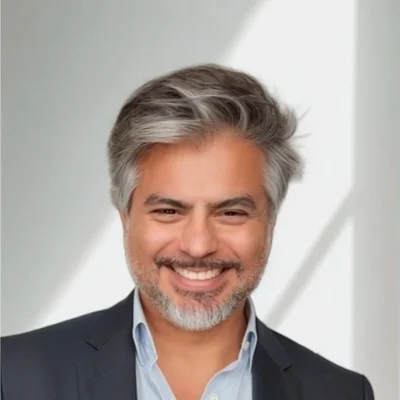
DelegateWorker is founded by Sasan Zarrin.
Sasan sold enterprise software at Oracle, Salesforce and DocuSign, and has delivered projects to over 200 large enterprises. He built DelegateWorker to give every business an AI Employee that does real work.

Questions about deal screening
- What is deal screening?
- It is the first check on a new deal: does the company fit what the fund invests in? Your AI Employee does it by talking to every founder who applies.
- What goes in a VC investment memo?
- The company, the founders, the problem, the product, traction, the market, the raise and a first view. The template on this page has all eight.
- Does the AI decide which founders we meet?
- No. It runs the screening call and writes the memo. Your partners decide who to meet.
- Do founders know they are talking to AI?
- Yes. It tells every founder it is an AI Employee at the start of the call.
- Does it replace our deal flow management software?
- No. It does the first screen and sends a memo your team can add to your pipeline.
- How much does it cost?
- Plans start at $8 a month. Funds with high deal volume can talk to the team about a fund plan. See the pricing page for every plan.